



Modernization of data centers – Design planning and retrofits in existing facilities
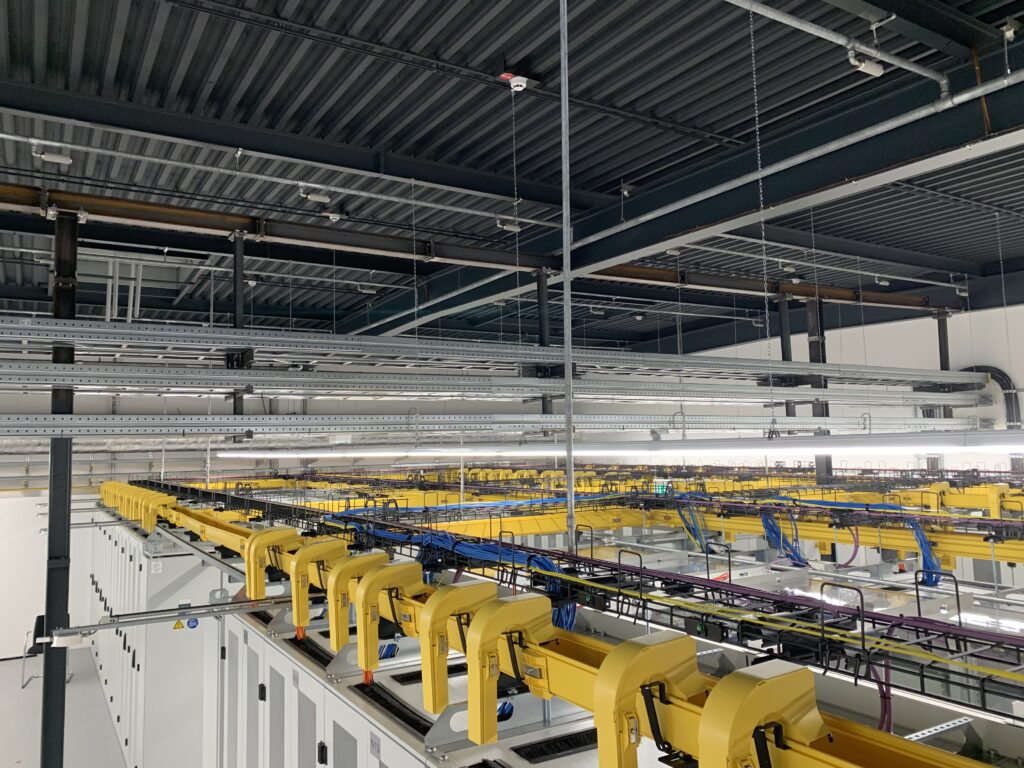
The Modernization of data centers demands the precise renewal of critical building and electrical engineering systems while the ongoing IT operation continues without interruption. Daterra assumes responsibility as General contractor the execution plan, the Retrofit in the data center as well as the structural implementation in the existing building.
- Fail-safe implementation of construction activities and switching between systems in operation
- Adjustment of cooling, PUE values and power supply to the actual use
- Consideration of DIN EN 50600 for safe execution in the stock
What does a retrofit in the data center mean for the existing infrastructure?
Retrofit in the data center describes the Modernization of technical trades in existing facilities. Unlike new construction, the building envelope and basic structure remain intact. Outdated components of the power supply, cooling or security systems are gradually replaced by modern systems.
The goal of these measures is to Increased availability and energy efficiency as well as the adaptation of the areas to Higher power densities. Since the exchange takes place in the current operation, the power paths and the refrigerant circuits are switched over without interruption.
Performance spectrum of the building infrastructure: Retrofit in the data center without interruption of power supply
The technical infrastructure in existing buildings requires a coordinated renovation of all trades when modernizing data centers. We provide design planning and construction implementation for the following key areas:
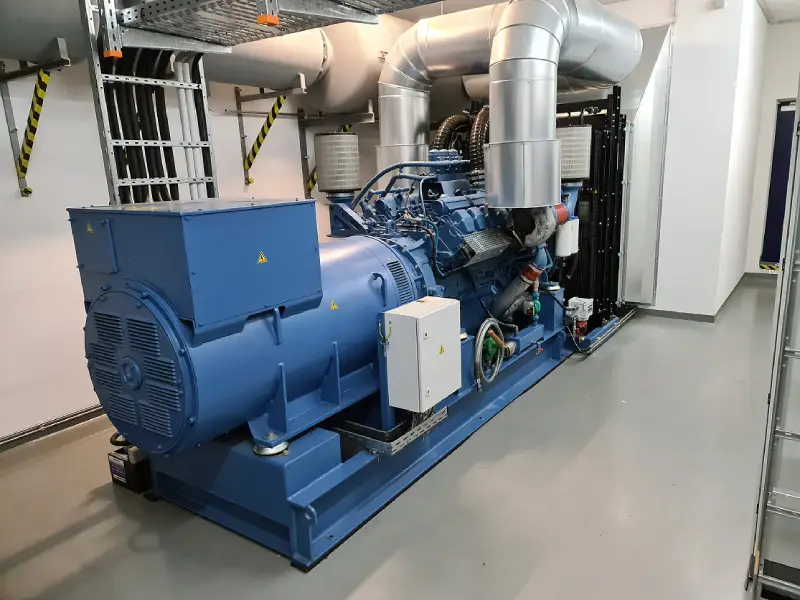
Adjustment of the transformation and distribution levels as well as integration of fail-safe systems for the USV in the server room, To ensure that there are no interruptions in the supply during switching processes.
Retrofitting of climate technology, free cooling, and customized systems for high-density racks and liquid cooling that meet the increasing demands for energy efficiency and environmental protection. Server room cooling be fair.
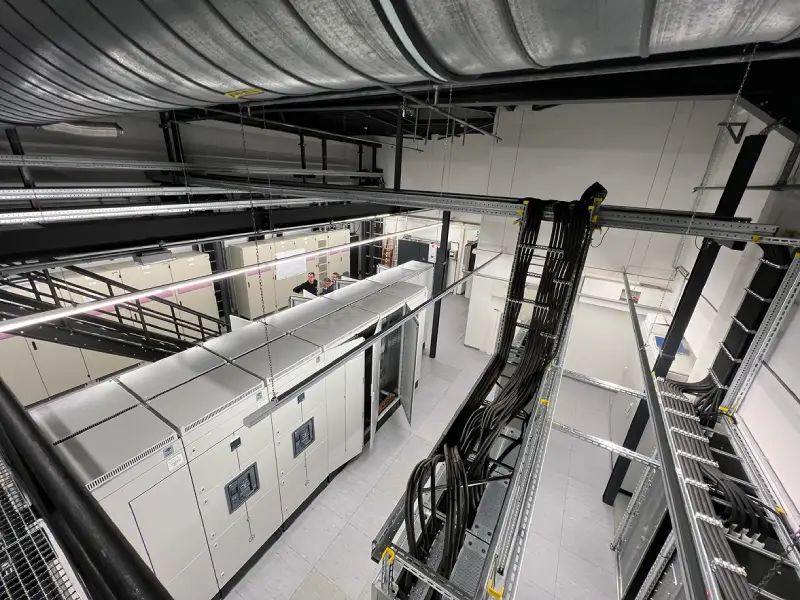
Renewal of structured fiber optic and copper cabling, optimization of the routing of the cables, and reorganization of the racks to ensure orderly air flows.
Modernization of physical access controls, monitoring systems, and the structural and technical design for the Fire safety in the server room through automatic release systems and barriers.
Optimization of the overall efficiency through thermal enclosures, speed control systems and technical measures to extract waste heat.
Process of modernization: implementation of the building infrastructure in phases
Modifications in ongoing operation require detailed process control to rule out disruptions in the IT systems. Daterra divides the process into four interdependent phases:
Inventory and analysis:
We capture the physical and electrical state of the plant equipment on site. This includes testing the load profiles, thermal analysis of the space cooling, and evaluating the existing reserves in the lines and distributions.
Concept and design planning:
Based on the real-world data, we create a manufacturer-independent detailed planning. We define the redundancy concepts, schedule the construction milestones, and plan temporary switchover and interim solutions to maintain power supply and cooling.
Implementation in ongoing operations
The structural and technical assembly takes place in phases while maintaining unrestricted power supply for the IT loads. Changes to new UPS systems, cooling machines or distribution units are carried out strictly according to coordinated procedures.
Dissemination and documentation:
After completing the installation work, we will test the overall system under real load conditions. We will provide a comprehensive audit documentation, test reports for all work phases, and updated execution plans for the safe continued operation.
When modernization of data centers becomes technically necessary
The appropriate time for a retrofitting in the data center usually manifests itself gradually during operation. Technical and economic factors make it necessary to renew the building and electrical systems:
- Rising operating costs due to lower efficiency of outdated components in cooling and power supply
- Achieving technical performance limits in setting up new racks for high-density applications and AI workloads
- Upcoming inspections to comply with legal efficiency requirements and guidelines
- Increased risk of failure due to hard-to-find spare parts for older refrigeration machines or UPS systems
- Unreasonable area requirement with changed IT structures and insufficient airflow in the room
These indicators clearly show where action is needed. Timely adaptation prevents unplanned downtime and ensures the uninterrupted operation of the entire infrastructure.
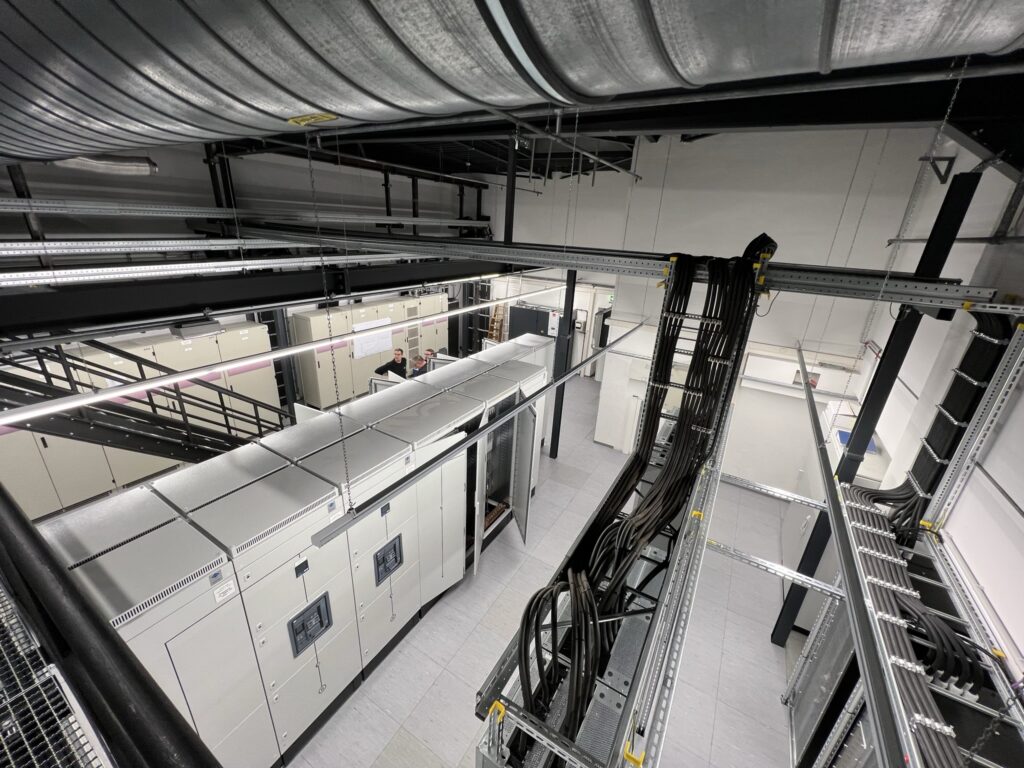
Ensure reliability in ongoing operation
Prevent overload and outages by renewing your plant technology in line with your infrastructure.
Three paths to adapted building infrastructure: retrofitting, new construction, or gradual renovation
When adapting to increasing IT requirements, the decision between reusing existing space or building new capacity is central. Spatial constraints, time requirements, and required load densities determine the chosen implementation path. Daterra assesses the existing building structure on-site and covers both approaches.
If there are uncertainties regarding the viability of the existing infrastructure, a thorough assessment clarifies the situation. RZ Consulting in advance, whether retrofitting is technically and economically feasible.
Modernization of existing facilities (retrofit)
This option utilizes the existing building envelope and existing power line connections for the phased renewal of the components in the power supply and cooling systems, with reduced capital outlay. The approach significantly shortens the implementation time, as lengthy permitting procedures are eliminated.
New construction of a site
A new one Building a data center offers complete freedom in the layout of space and in the dimensioning of ducts and supply levels. However, this path requires higher investments and longer planning phases.
Modernization of data centers: legal PUE requirements and climate-related implementation
That Energy Efficiency Act (EnEfG) Sets binding limit values for the power supply to data centers with a nominal output of 300 kW or more Power Usage Effectiveness (PUE). Existing sites must achieve a PUE value of no more than 1.5 from July 1, 2027, and no more than 1.3 from July 1, 2030. For new data centers, a limit of 1.2 has been in effect since July 1, 2026. In addition, the law requires the systematic recording and documentation of waste heat as well as a minimum percentage of renewable energy. Re-use (Energy Reuse Factor).
Existing sites must adapt their power supply and cooling systems to this. The gradual replacement of refrigeration machines and the use of highly efficient UPS systems allow compliance with the limits without compromising performance. Availability in ongoing operation to endanger. Daterra evaluates existing plant systems for compliance with legal requirements, adjusts cooling circuits to the required performance profiles, and ensures the thermal stability of the infrastructure, as the Climate engineering shows complex systems.
Compliance with EN 50600 and ISO standards when renovating sites
National and international regulations ensure the reliability, IT security, and energy efficiency of data center infrastructures. We take these requirements into account directly in the design and execution planning:
- DIN EN 50600: Specifications for building construction, power supply, room cooling, and availability classes
- ISO/IEC 27001 Standard for the information security management system (ISMS) and physical protection zones
- ISO/IEC 20000: Framework for IT service management to ensure operational processes during maintenance and upgrades
- TÜViT TSI (Trusted Site Infrastructure): Criteria catalog for testing the physical high availability of all departments
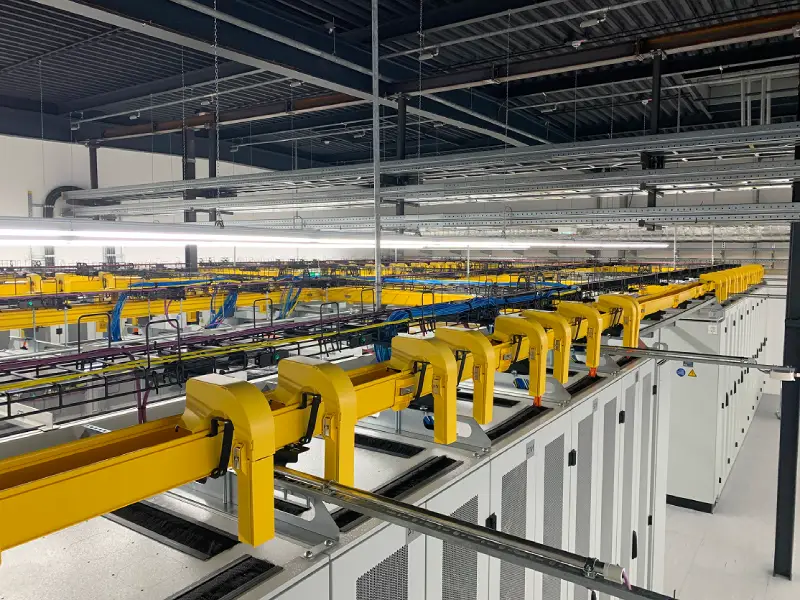
Modernization of data centers: frequently asked questions about the process and costs
What does a data center modernization cost?
The total costs depend on the condition of the building structure, the required load profiles, and the renovations to be carried out. Adjusting the cooling technology or replacing the UPS systems requires significantly lower investments than a new build, as existing building envelopes and power lines can be used further.
How does modernization differ from new construction?
In the case of a new site development, all building and plant technology is rebuilt on undeveloped land, which entails lengthy planning and permitting phases. The renovation of existing facilities utilizes the existing infrastructure to gradually replace supply systems and to resolve supply bottlenecks more quickly.
Is modernization possible in the current operation?
Yes, modifications and performance enhancements can be implemented without interrupting availability. By switching to redundant power supply paths and temporary cooling systems, IT systems remain connected to the network throughout the assembly process.
How long does a modernization take?
The execution time depends on the scope of the works and the delivery times for the plant technology. Since extensive building permits procedures often do not need to be completed for renovations to existing facilities, projects can be realized much more quickly compared to new construction projects.
When is retrofitting a better option than building new?
Retrofitting is the preferred option when the existing building envelope is viable and power connections provide sufficient capacity. It allows operators to adapt efficiency values and cooling capacities to current standards with less capital outlay.