



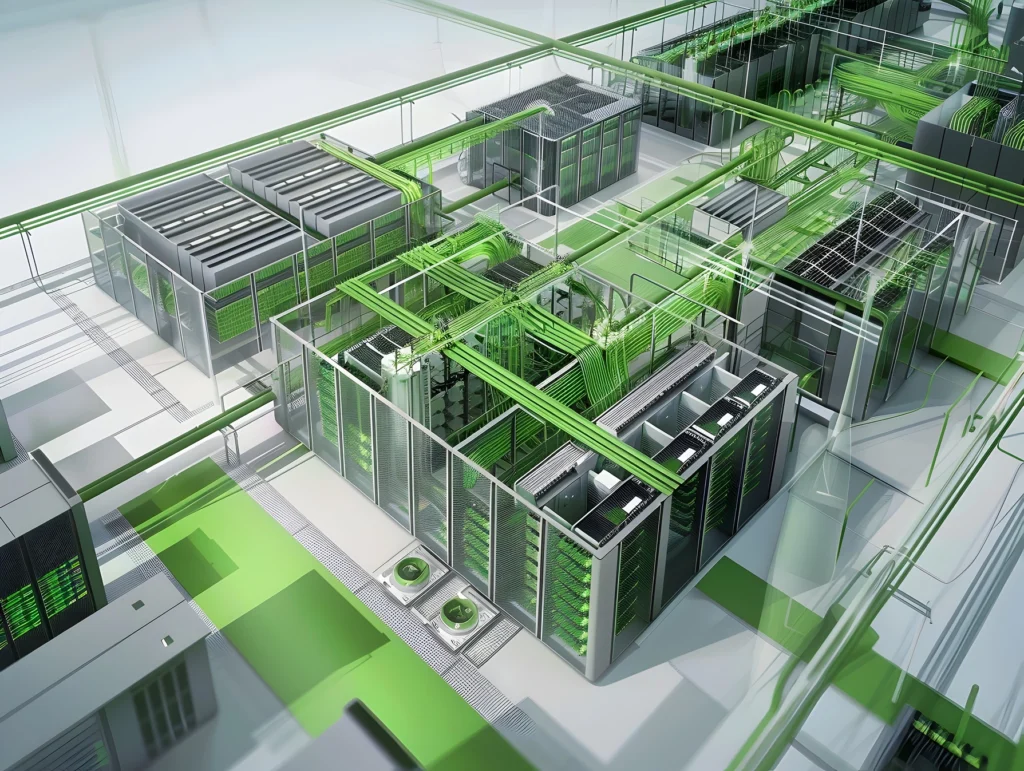
RZ Planung – Designing and implementing data centers in a structured way
Data centers place high demands on availability, security, and technical coordination. A well-thought-out Resource planning creates the foundation for stable infrastructure – from the initial analysis to feasible implementation in operation.
- Infrastructure design based on performance requirements, load profiles, and growth
- Integration of Power, Cooling, Security, and Building Framework
- Planning and execution in existing buildings – also for renovations during ongoing operations
What does RZ planning mean in practice?
Data center planning describes the concrete design of a data center into an implementable technical solution. This includes the dimensioning of the power supply, the planning of UPS and backup power systems, the design of cooling, and the structural and approval-related aspects of the site. At Daterra, data center planning does not end with the concept. All systems are planned in such a way that they can be installed, operated, and expanded under real-world conditions. This also includes coordination with existing systems, ongoing operational processes, and requirements for availability and redundancy.
A central component is the integration of all trades. Electrical engineering, air conditioning, security systems, and structural planning are not considered separately but are coordinated technically. Through the combination of Architecture, With professional planning and implementation, interfaces can be reduced and planning risks can be avoided early on.
Daterra's IT planning encompasses both new builds and projects in existing facilities. Particularly in renovations during ongoing operations, existing infrastructures are analyzed, adapted, and expanded without interrupting operations. This results in fail-safe solutions that are not only technically functional but also implementable under real operating conditions.
Data center planning:Requirements and Framework Conditions
Planning a data center means simultaneously considering a variety of technical, operational, and building code requirements. Individual systems cannot be viewed in isolation, as they influence each other. Decisions regarding power supply, cooling, or building design directly impact operational reliability, efficiency, and scalability.
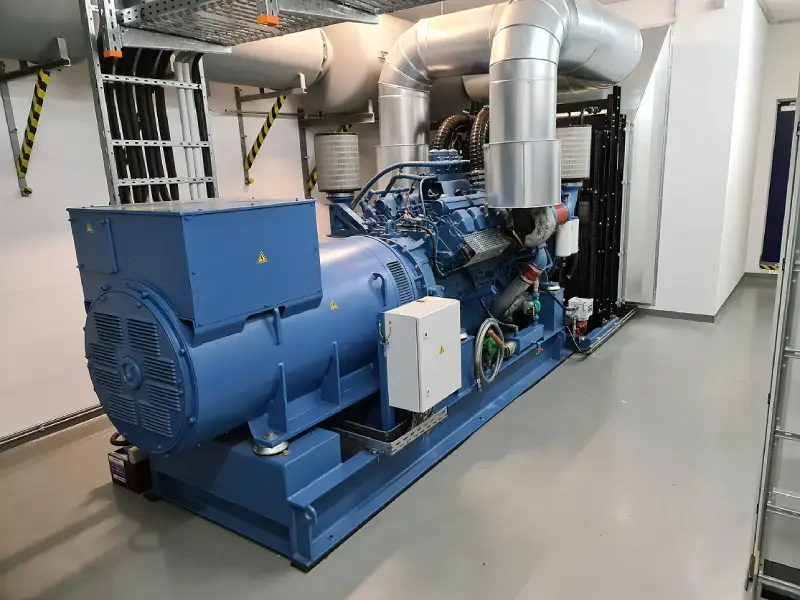
The power supply includes mains connection, transformers, UPS systems, and backup power systems, where USV in the server room kicks in during power outages and ensures uninterrupted system operation.
The Server room cooling ensures the dissipation of heat loss, prevents hotspots, and is tailored to actual load profiles and airflow. At the same time, energy-efficient cooling concepts are considered to reduce operational energy demand.
Security and fire protection systems include early fire detection, extinguishing technology, and physical protective measures, with a Server room fire suppression system intervenes in the event of a fire and limits damage to the infrastructure.
Systems are designed so that failures of individual components do not lead to operational interruptions and stable operation is maintained.
Redundancy is implemented across power supply, cooling, and network infrastructures to compensate for individual system failures and increase operational reliability.
Data centers are designed to allow for expansions of capacity and space without needing to fundamentally rebuild existing systems.
The location is evaluated based on energy availability, connectivity, land structure, and environmental conditions, as these factors directly influence the technical planning and subsequent expansions.
Building applications, changes in use, and technical certificates are planned early on to structure approval processes and avoid project delays.
Regional regulations and requirements—such as those for fire protection, energy supply, or construction—are taken into account from the outset and integrated into the planning.
The Data Center Planning Processfrom analysis to implementation
The IT planning follows a structured process, where all technical, structural, and operational requirements are systematically coordinated. The goal is a solution that can be implemented and operated under real conditions – in new builds as well as in existing facilities.
As RZ planners, we support you throughout the entire process from the initial needs analysis to the handover: a dedicated contact person who coordinates all technical aspects as a data center planner.
Requirements Analysis and Inventory
At the beginning, the technical and operational requirements are defined. As part of the RZ Consulting Performance requirements, availability requirements, and expansion options are defined together with you, the customer. For existing projects, the existing infrastructure is also analyzed.
Concept and design planning
Based on the analysis, a comprehensive technical and structural concept will be developed. Power supply, cooling, spatial structure, and safety concepts will be coordinated to create a robust planning basis.
Detailed planning and cost analysis
In the detailed planning phase, all systems are specifically designed and dimensioned. In parallel, a cost analysis is conducted to evaluate investment costs and identify optimization potentials.
Coordination with trades and authorities
The planning will be coordinated with all involved trades and relevant authorities. Approval processes, technical interfaces, and schedules will be coordinated.
Implementation and Construction
In the implementation phase, the planned systems are installed and prepared for operation. The Daterra team coordinates all stakeholders or takes on full implementation as a general contractor – even for projects operating on an ongoing basis.
Commissioning and Handover
After completion of construction, all systems will be commissioned. Functional tests and acceptance procedures will ensure that all requirements are met and stable operation is guaranteed.
Plan a data center –In a few steps to the right solution
Whether you're building a completely new data center or upgrading an existing one, capture your project requirements in a structured way and create a solid foundation for analysis, planning, and implementation.
Technical Trades in Data Center Planning
The planning of a data center requires the coordinated design of all technical trades. Power supply, cooling, security, and network infrastructure are interconnected and must be considered as a complete system to ensure stable operating conditions.
Electrical engineering infrastructure
The electrical infrastructure includes transformers, switchgear, UPS systems, and battery systems. It is designed to reliably carry loads, compensate for failures, and allow maintenance work to be carried out without interrupting operations.
Cooling and Air Conditioning Concepts
Cooling and air conditioning systems ensure the controlled dissipation of heat loss and stable temperature conditions. Efficiency and redundancy are taken into account to optimize energy usage while guaranteeing operational reliability.
Security and Fire Protection Systems
Security and Fire protection systems They protect the infrastructure against external influences and internal risks. These include early detection of fires, extinguishing techniques, and physical security measures that are tailored to the requirements of the site.
Network and telecommunication infrastructure
The network and telecommunications infrastructure ensures connectivity and internal communication. It is planned in terms of bandwidth, reliability, and scalability to ensure reliable operation and cover future requirements.
Costs and profitability in data center planning
The costs of a data center are largely determined in the planning phase. Decisions regarding the design of power supply, cooling, and redundancy directly impact capital expenditures as well as long-term operating costs.
Within the scope of data center planning, costs are systematically estimated, budgets are evaluated, and technical variants are compared. The goal is to design systems according to requirements and develop economically viable solutions without incorporating unnecessary reserves.
At the same time, planning influences ongoing operating costs, for example through energy consumption, maintenance effort, and expandability. Coordinated planning reduces follow-up costs and creates a reliable foundation for the economical operation of the data center.
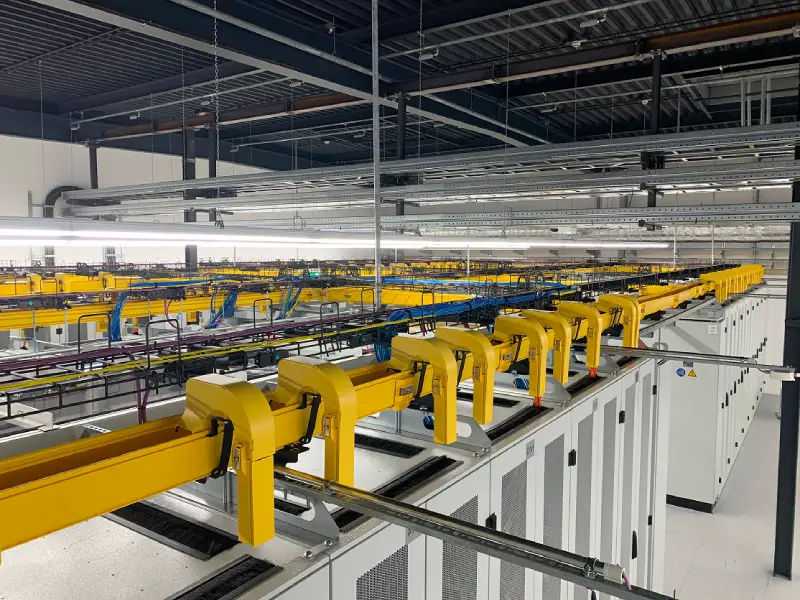
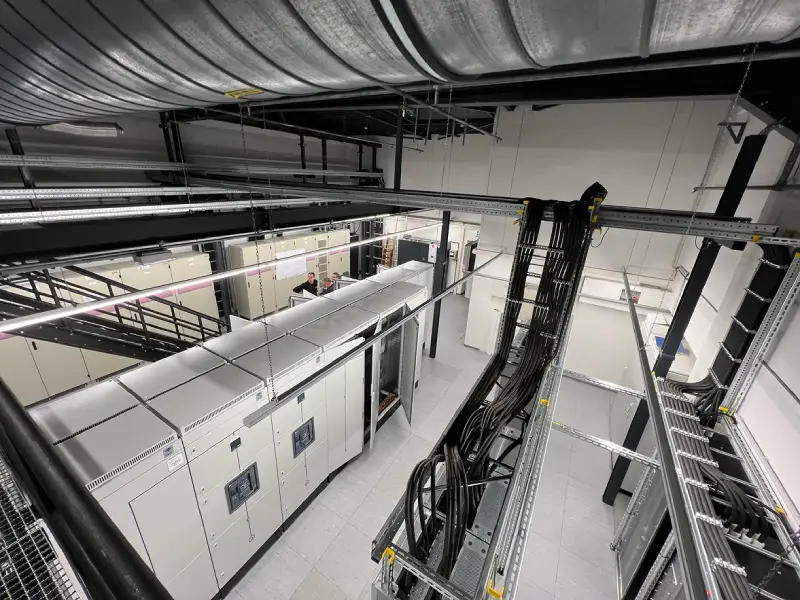
Renovation Planning in Existing BuildingsModernization in ongoing operations
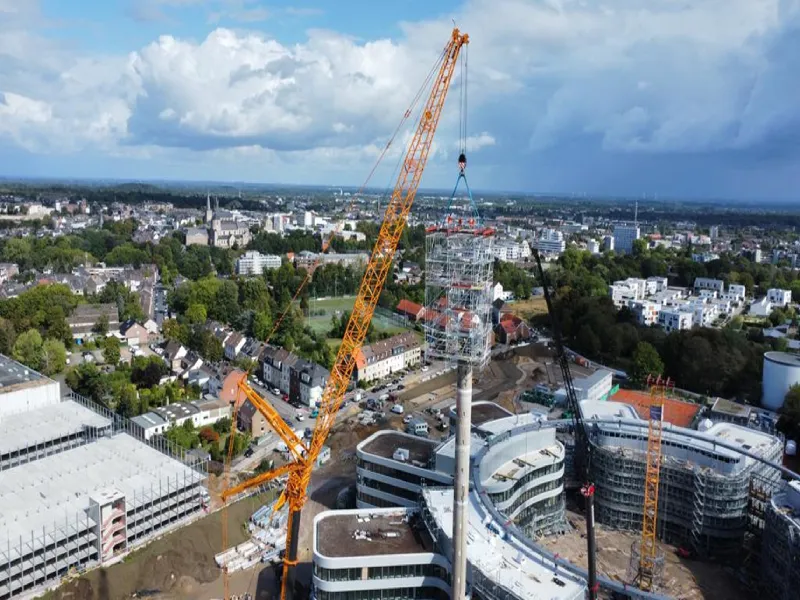
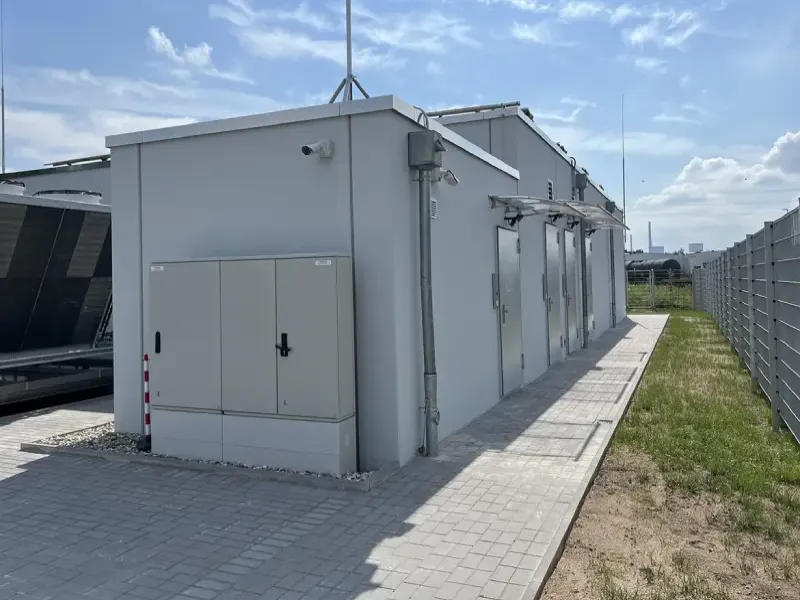
IT planning in existing facilities requires the adaptation and expansion of existing infrastructure without interrupting ongoing operations. Systems such as power supply, cooling, or network technology cannot simply be switched off but must be modernized or replaced during operation. The planning aims to structure interventions in such a way that availability is always guaranteed.
This results in technical challenges due to limited capacities, existing system architectures, and established structures. New components must be integrated into existing systems without disrupting dependencies or creating critical operating states. At the same time, existing loads and redundancy concepts must be taken into account.
A central component of data center planning is risk and transition management. Switchovers, temporary power supplies, and clearly defined procedural plans ensure that measures can be implemented in a controlled manner. The goal is to design interventions in such a way that failure risks are minimized and operations are kept continuously stable.

RZ Planning and Implementation from a Single Source
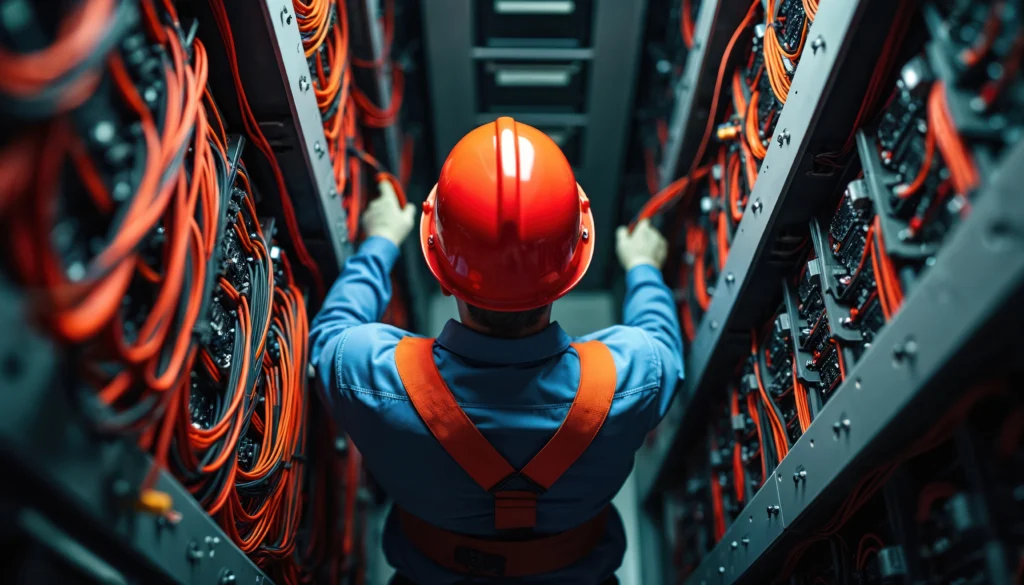
Daterra connects planning and Data center construction as well as project management in a continuous process. Technical concepts are not developed in isolation but are directly planned with their implementation in mind. This results in consistent coordination from the initial planning to realization.
The integrated approach reduces coordination efforts and speeds up decision-making. Planning, execution, and coordination dovetail, allowing projects to be implemented in a structured manner and without unnecessary delays.
This eliminates typical challenges between individual trades. Technical requirements are implemented consistently, thereby reducing risks and increasing the quality of overall planning.
Typical application areas for data center planning
RZ planning is used in various industries that require stable and scalable IT infrastructure. The requirements vary depending on the area of application, especially regarding availability, redundancy, and expandability.
Telecommunications In telecommunications, the focus is on highly available infrastructures and modernization during ongoing operations.
Colocation Colocation providers need flexible and scalable data center structures for changing customer requirements.
Industry In industry, data centers ensure the security of production processes and must be reliably integrated into existing systems.
Energy provider Energy providers have high demands for security, redundancy, and regulatory requirements that must be considered during planning.
Reliability Engineering Planning as a Foundation for Stable and Scalable Infrastructure
Infrastructure planning forms the basis for an infrastructure that can be reliably operated under real conditions. Technical design, structural framework conditions, and operational requirements interlock and determine the later performance of the data center.
By connecting planning and implementation, solutions are created that not only work on paper but also hold up in operation. Especially in projects involving existing buildings and ongoing operations, the crucial importance of precise and coordinated planning becomes apparent.
The team of Daterra relies on comprehensive data center planning throughout all project phases. This results in data centers that can be operated stably, expanded efficiently, and used economically in the long term.
Plan data center structure
Whether it's a new build, an extension, or renovation of existing property – structure your project early on and create a stable foundation for implementation.
FAQ for Data Center Planning
What is meant by data center planning?
Data center planning includes the technical and structural design of a data center. This includes, among other things, power supply, cooling, security concepts, and the coordination of all systems for stable operation.
How much does data center planning cost?
The costs of data center planning depend on the size, requirements, and complexity of the project. Crucial factors include power requirements, redundancy level, site conditions, and existing infrastructure.
How long does the IT planning take?
The duration varies depending on the project scope. Smaller projects can be planned within a few weeks, while complex data centers require several months of planning time.
What standards apply to data center planning?
The underlying standards and requirements arise from the project, location, and the specific specifications of the operator.
Planning and implementation are carried out according to clearly defined quality and occupational safety standards – including a certified occupational health and safety management system according to ISO 45001.
Can a data center be modernized while it is running?
Yes, modernization during ongoing operations is one of Daterra's core competencies. Through structured planning, coordinated processes, and experience from comparable projects, measures are implemented in such a way that system availability is always guaranteed.