



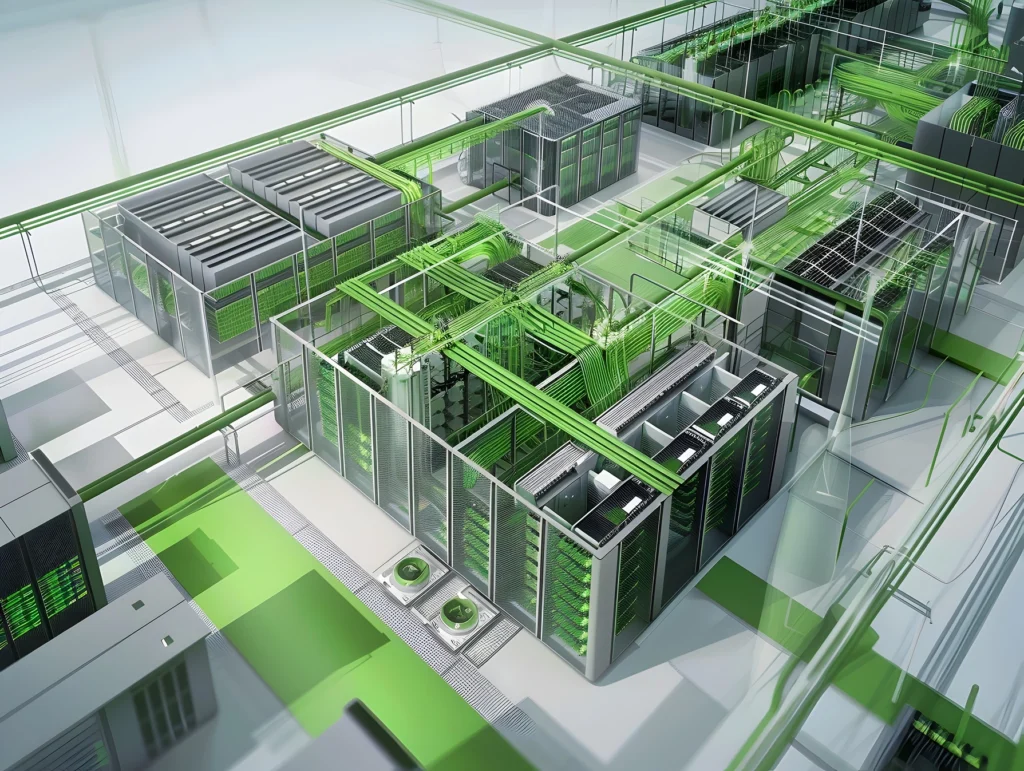
Serverhousing and Colocation: Planning and construction of the technical infrastructure
The infrastructure behind a colocation space is what makes it all work. We take on the planning and construction of this infrastructure, from the initial technical design to its implementation in day-to-day operations.
- Planning and construction of the technical infrastructure for server housing
- Multi-workshops coordination: Electrical, Air conditioning, Fire protection, Network connection
- Sustainable implementation through local production and short transport routes
What operators require from serverhousing and colocation providers
Serverhousing, Also, Colocation By the term "dedicated server hosting," we mean the provision of data center space to third parties. Customers bring their own server hardware and use the operator's power, cooling, network connectivity, and security technology. For the operator itself, this means that the entire technical infrastructure behind it must be redundant, compliant with standards, and designed for continuous operation.
Unlike server hosting, where the provider also provides the hardware, in server housing the hardware remains the property of the customer. The operator is solely responsible for the physical and technical environment in which this hardware operates.
At Daterra, planning doesn’t end with the concept. All systems are designed to be installed, operated, and expanded under real-world conditions, also taking into account the changing requirements of individual colocation customers over time.
Requirements for a colocation area
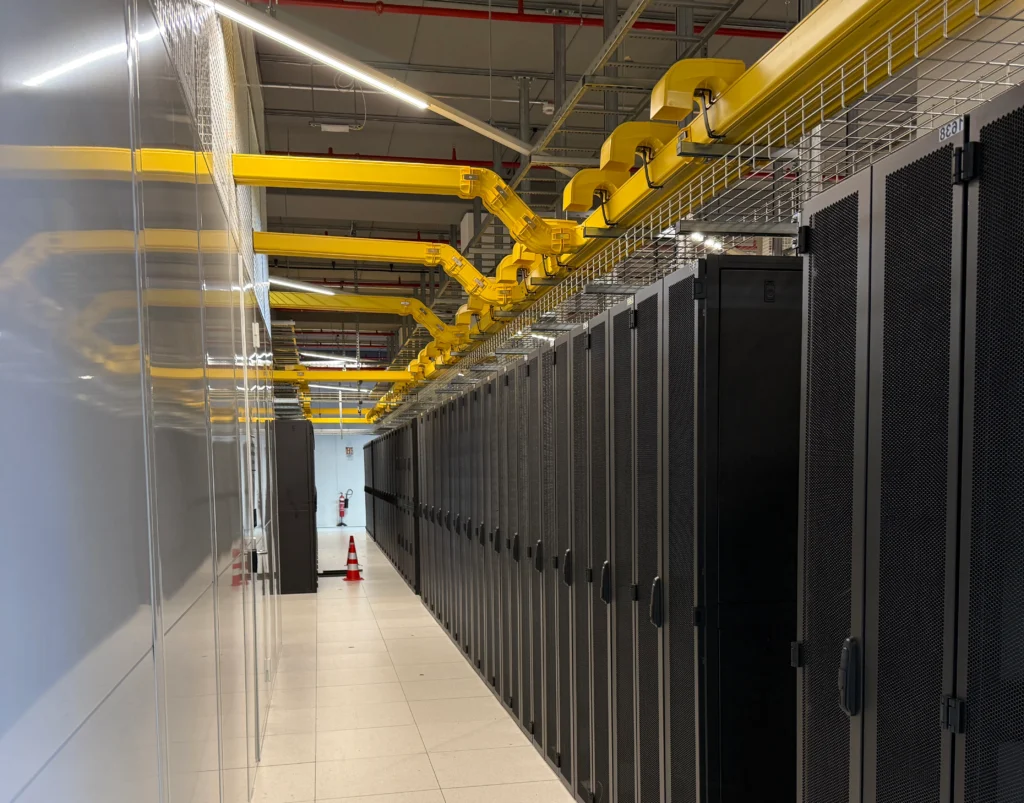
A colocation facility must be able to operate several customer environments simultaneously in a safe and separate manner. This places additional requirements on the technology, operation, and location, which must be coordinated in planning.
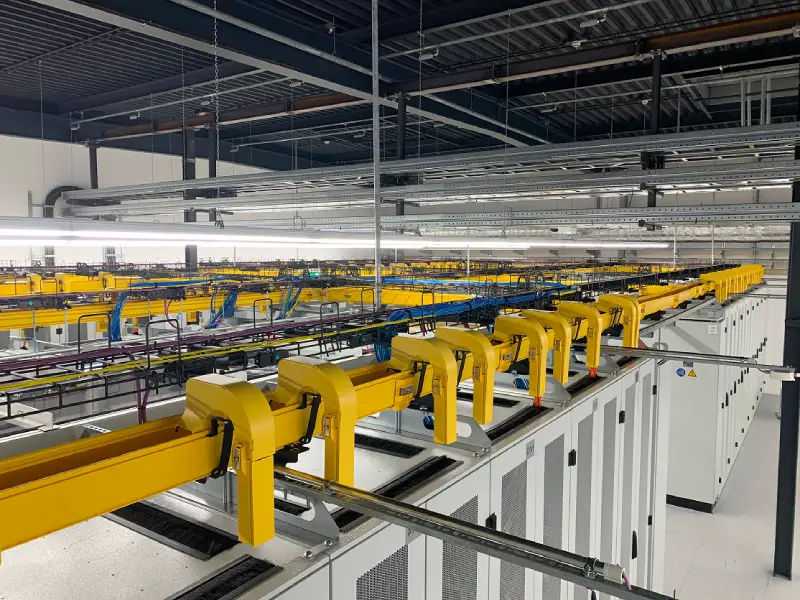
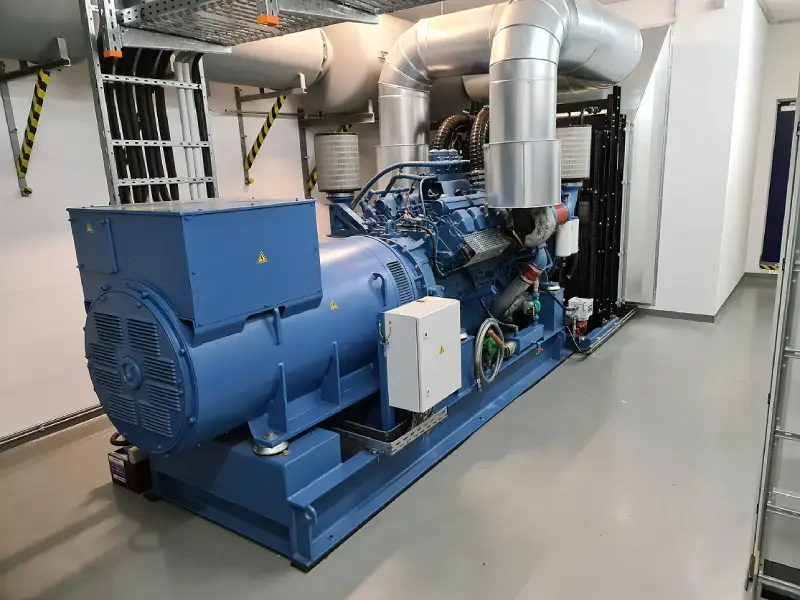
It must be designed redundantly; it is common practice. USV systems in combination with power replacement systems, so that a power outage does not disrupt the operation of individual or all customer environments.
It generally follows a cold/warm-up concept and is tailored to the different load profiles of the individual colocation customers.
They include early detection, appropriate Extinguishing systems as well as access controls that separate access to individual racks or cages based on customer requirements.
It runs redundantly over multiple carriers so that the failure of a single provider does not lead to a total outage.
Systems are designed so that failures of individual components do not lead to disruptions in service for the customers on the ground.
It is powered by electricity, Cooling and implemented across network structures to be able to meet different availability promises to Colocation customers.
The area is planned in such a way that it is possible to expand capacity without having to modify existing customer environments.
Energy availability, grid connection, land structure and environmental conditions directly influence subsequent technical planning and possible expansions.
Building applications, changes of use and technical documentation are planned in advance to avoid delays in the project progress.
Regional requirements, such as those regarding fire safety or energy supply, are integrated into the planning from the very beginning.
Datera's achievements in planning and building serverhousing infrastructure
From the initial planning phase to ongoing operation, we oversee server hosting projects as general contractors and take on the technical implementation across all involved departments.
Planning from a single source
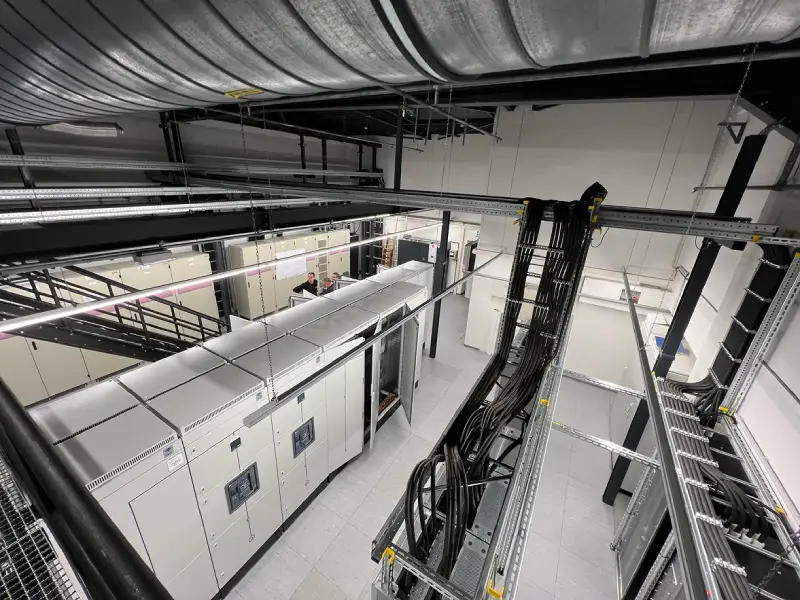
Electric, Air conditioning, Fire protection And the connection to the public power grid directly overlaps at a colocation site. We agree on these projects from the very beginning and treat them as one construction project, not as several separate contracts. This reduces interfaces and prevents individual projects from having to be painstakingly adjusted later on.
Retrofitting in ongoing operation
Not every project is a new build. Often it involves the expansion or renovation of an existing data center, whose operations must continue during the construction phase. We plan such conversions so that the existing colocation space remains continuously available.
The process of a serverhousing construction project with Daterra
A colocation construction project follows four coordinated steps at our company.
Inventory overview:
We assess the existing infrastructure, the structural framework conditions, and the intended animal classification or certification, thereby setting the technical target values for the project.
Planning:
Electrical systems, air conditioning, fire protection, access control and network connections are planned across industries and coordinated so that no subsequent adjustments are necessary.
Implementation:
The planned works are implemented in coordination. In the case of expansions or modifications to existing facilities, this is done while operations are ongoing, so that the available space remains continuously available.
Handover:
The finished area is taken off the site, documented and transferred to regular operations.
Costs and profitability in colocation projects
The costs of a colocation space are determined significantly during the planning phase. Decisions regarding power supply, cooling, and redundancy level directly affect investment and subsequent operating costs, and thus the margin that can be achieved with the space.
As part of the planning process, we structure cost estimates, evaluate options, and deploy systems as needed without planning for unnecessary reserves. This creates a reliable foundation for later pricing calculations with our own colocation customers.
Certifications and standards as a planning basis
These standards are not an afterthought for us; they are the starting point for our planning.
- DIN EN 50600: It sets the technical requirements for data centers, ranging from the building shell to the power supply and air conditioning, and divides them into availability classes.
- ISO 27001: It relates to information security management around the data center and is a selection criterion for many colocation customers.
- Animal classification (TIA 942): She describes how redundant the infrastructure is overall.
Typical areas of application for serverhousing and colocation
- Telecommunications companies: You need highly available areas, often with modernization in operation.
- Housing and hosting providers: They need flexible, scalable spaces to meet changing customer requirements.
- IT system houses: They are expanding their portfolio with their own colocation capabilities in addition to traditional hosting.
- Industrial companies: They secure their own production processes and sometimes require additional, externally usable capacity for this purpose.

Sustainable implementation of colocation infrastructure
In addition to technical and operational requirements, we also take ecological aspects into account when implementing our projects.
- Local manufacturing and short transport routes
- Selection of tested and certified manufacturers
- Energy-Efficient Design of Technical Infrastructure
- Consideration of ESG principles throughout the project lifecycle
Why Daterra for your colocation project
Holistic implementation: We coordinate planning, architecture, construction, and permitting processes from a single source.
Experience with modifications in ongoing operation: We implement extensions to existing areas without affecting the operation of the other customer facilities.
Manufacturer-independent, sustainable planning: We select components individually, taking into account short delivery chains and tested manufacturers.
Nationwide Project Experience: We implement colocation projects across multiple locations, taking regional requirements into account.
Now planning the colocation infrastructure
Are you planning to expand your colocation space or want to expand an existing one? Let us discuss your project. We take on the technical planning and implementation, from the initial inventory assessment to the handover in ongoing operation.
Frequently asked questions about serverhousing construction projects
How long does the planning of a new colocation area take?
It depends on size and starting point. For new construction, we typically spend several months calculating the initial survey and planning before the actual implementation begins. Extensions to existing areas can usually be planned more quickly, as many of the prerequisites are already determined.
What standards must a colocation data center meet?
Relevant are primarily DIN EN 50600 for the technical design, ISO 27001 for information security management, and the TIER classification according to TIA 942 for the degree of redundancy. Which combination is sensible in a given case depends on the requirements of the customers who will later use the area.
Can an existing serverhousing space be expanded during operation?
Yes. We plan renovations and expansions so that operations of the existing area can continue during the construction phase. This requires closer coordination between the various departments than in the case of a new build, but is possible in most cases.
Which trades are involved in a serverhousing construction project?
Typically, these include electrical engineering, climate control, fire protection, access control, and network technology. These industries overlap technically, which is why we plan them as one project rather than separate tenders.